
You need to care for teeth properly if you want to stop cavities, gum damage, and other dental issues.
Many people adopt their particular raw food diet with the impression
that eating foods uncooked, as nature intended and as man did for
millennia, will magically remove their dental woes. Animals in the wild
don't have to worry about how to care for teeth, they say, so why
should I?
These people sometimes go on to suffer yet more dental problems, and frequently damn the diets they pinned so much hope on.
But the rawness of their diet has little to do with their dental problems.
You Don't Have "Bad Teeth"
I have genetically bad teeth
and gums, my mother tells me, just like her. She's always encouraged me
to go regularly to the dentist for cleanings, and to be particular in
how I care for my mouth.
But I was always annoyed growing up when my dentist, despite my regular
twice-daily brushing and flossing, would tell me that I needed to do a
better job taking care of my teeth. There would always be tons of
plaque around my them, and I could never get rid of it entirely.
As I got older I suffered a bit from cavities, which made the whole situation even more annoying.
Then I went on a healthy raw food diet, suddenly my dentist was
exclaiming over how pleased he was that I was taking so much better
care of my teeth. The plaque build up was considerably reduced, and I
wasn't getting cavities anymore.
Dental checkups are now more an affirmation that I'm on the right track than a necessity.
"Just keep doing what you're doing," my dentist tells me, and so I do.
So What's the Difference Between How Most Raw Foodists Care For Teeth and What I do?
1)I Rarely Eat Dried Fruit:
Many raw foodists eschew fresh fruit and eat tons dry fruit instead in
an attempt to meet their caloric needs or for more concentrated
flavors. Devoid of most of its original moisture and extremely
calorically dense, dried fruit might fuel your body, but it'll ruin
your mouth.
Anyone who has eaten some raisins knows that the gummy stuff sticks in
every crevice. Once its caked on, bacteria starts to break it down, but
it eliminates an acid in doing so. Over time, when acid keeps getting
deposited directly onto teeth, you're going to develop a cavity.
I highly suggest that you avoid dried fruit almost entirely. On the
rare occasions that I do eat it, I quickly follow the meal with
flossing and brushing.
On those occasions that you choose to eat dried fruit, you can
rehydrate it by soaking it in water for a time, which will certainly
help with digestion, and may help avoid some of the stickiness.
The problem is similar for partially dried fruit as well. Dates, for
instance, have very little water content and will stick to teeth. Care
for teeth by avoiding what eats away at them.
2) I Rarely Eat Nuts and Seeds:
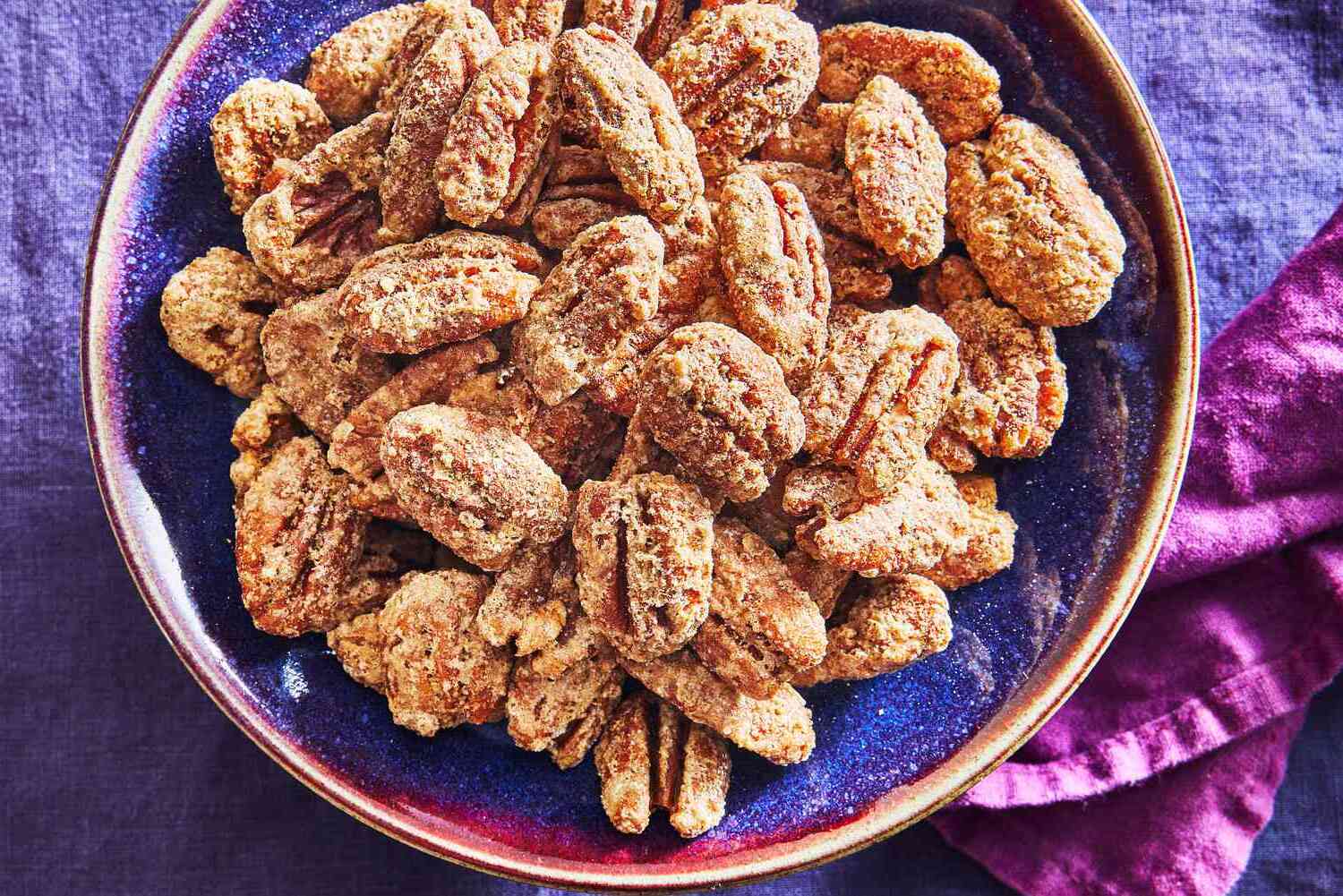
Nuts and seeds are almost always dried when found in the store, and
like dried fruit they can wreak havoc in your mouth by sticking to your
teeth. The body generates acid in your mouth to break nut and seed
particles down. It's enough to lower your pH balance, and when that
happens the enamel of your teeth is in trouble.
I again highly suggest that you eat nuts and seeds rarely, and when you do, follow up with brushing and flossing.
3) I Rarely Drink Juice:
Dentists have long warned patients that acidic juices can destroy the
enamel on teeth, and that goes for raw juice as well. If you're going
to drink it at all, I suggest you do so in very limited quantities and
that you use a straw to bypass the problem.
4) I Eat Acid Fruit In Moderation:
Oranges, grapefruit, pineapple, etc, are all highly acidic. Each is
extremely healthy, but if you're eating huge volumes of these every
single day, over the course of months you can strip the enamel right
off your teeth. Eat them no more than once a day, and preferably less.
When you do eat acidic fruit, follow the meal with a water swish.
5) I Care For My Teeth:
Though I stopped using toothpaste some time ago, I'm still meticulous
about my flossing and brushing. It may be overkill, as the dentist
consistently says my teeth are perfect, but I make it a habit to brush
once a day and floss twice a day.
Care For Teeth Can Do Damage
There
is such a thing as overdoing it. One of the largest causes of gum
disease is overzealous brushing, which can damage the delicate gum
tissue. Another is flossing the actual gums instead of the sides of the
teeth, which can create pockets in the flesh. Those pockets can then
host food particles, creating more problems.
I personally go to the dentist for cleanings. I know of those who
follow 80/10/10 and do not. I have no conclusive evidence that it does
or does not make a huge difference.
Why Switching Diets Will Not Work Miracles
Raw foodists are troubled by their past diets as much as by the one
they're on. You simply can't expect to undo decades of dental abuse
overnight. If your dentist finds a cavity after six weeks on a raw
diet, it's probably not the raw diet that caused it.
Don't expect overnight miracles.
In
Short: Want to Care For Teeth? Eat well in the long term, brush and
floss, and you won't have to care for teeth with your checkbook in the
dentist's office.
Following Up
The same diet that cures diseases and gives you incredibly amounts of energy also keeps your teeth healthy.