
Home
Blog

[?] Subscribe To This Site

XML RSS
Add to Google
Add to My Yahoo!
Add to My MSN
Subscribe with Bloglines


List of vegetables and their properties:

Why do you need a list of vegetables to consume? Aren't they all great?

Ask any doctor, and he will tell you that vegetables are fantastic. They should be eaten in large quantities, they're packed with vitamins, and they're low in calories. To the extent that they can be digested, vegetables give us proteins, essential fatty acids, vitamins, simple sugars, and minerals.

All of these things are true, but what a doctor won't tell you is that many vegetables are not ideally suited for digestion in the human body. A number of these are ok as a transition food or as a treat, but should probably not be eaten as a staple. To garnish a salad periodically, they work fine.
Read how to incorporate many of the vegetables in a great green smoothie.


List of vegetables that are cruciferous:

Broccoli, Brussels Sprout, Cabbage, Collard Greens, Kale, Horseradish, Rutabaga, Turnip, Chinese Cabbage, Cauliflower, Broccoli Rabe, Daikon, Bok Choy, Radish, Spinach.

Everything in this list of vegetables is distinguished by its high cellulose content. Most mammals do not have the ability to break it down and absorb nutrients from it easily (1), including humans. Cruciferous vegetables also contain oxalic acid, which is mildly irritating to the body. Humans have to excrete the acid through urine and feces (2).

Unlike soluble fiber, the fibers in insoluble fiber are hard and can scratch the digestive lining. With the exception of young spinach, which can normally be eaten without a problem because it has has little oxalic acid at early stages of development, cruciferous vegetables should be chewed extremely well or blended before swallowing to aid digestion, if they're eaten at all.

It's not that these foods are completely worthless, but just not optimal. Eating hard to digest foods over time will compromise our health, so they should be indulged in sparingly.

List of vegetables that are legumes:

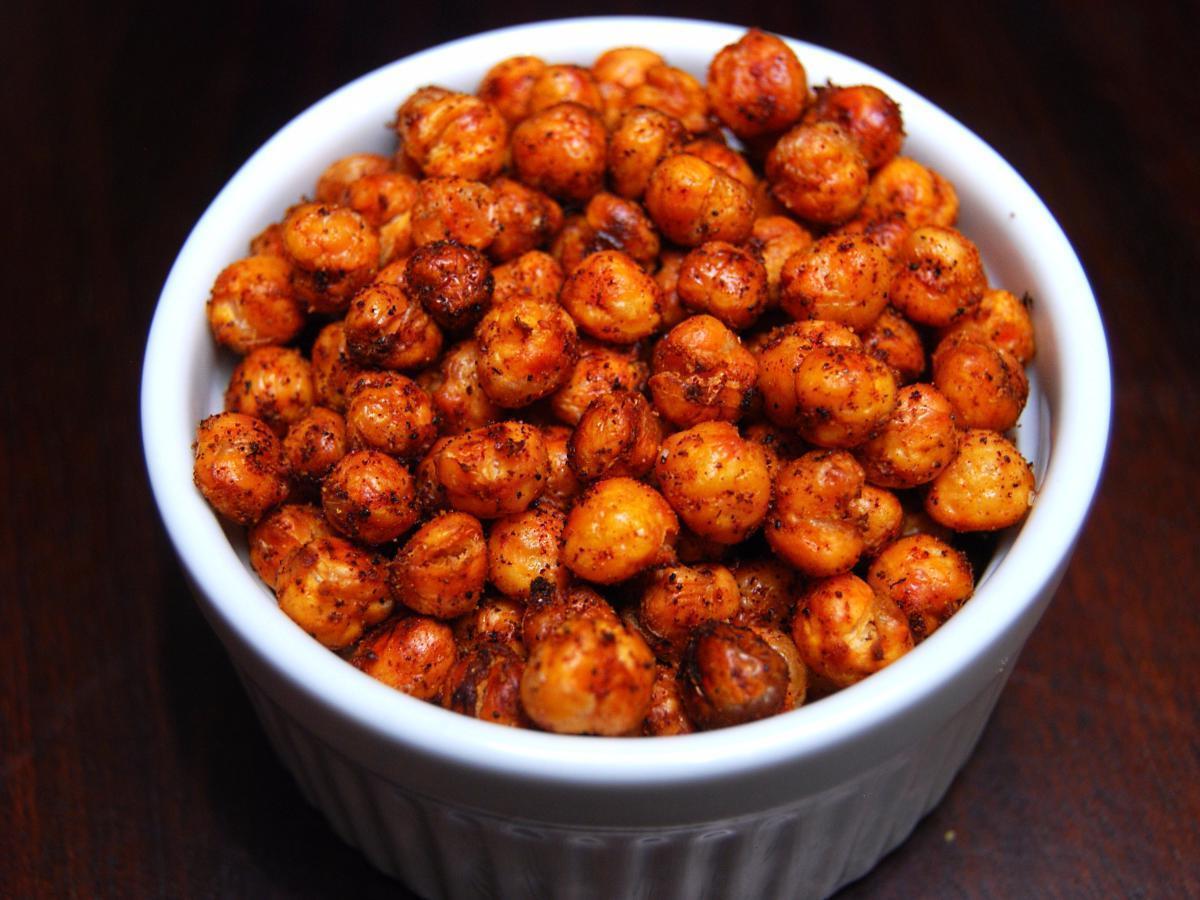
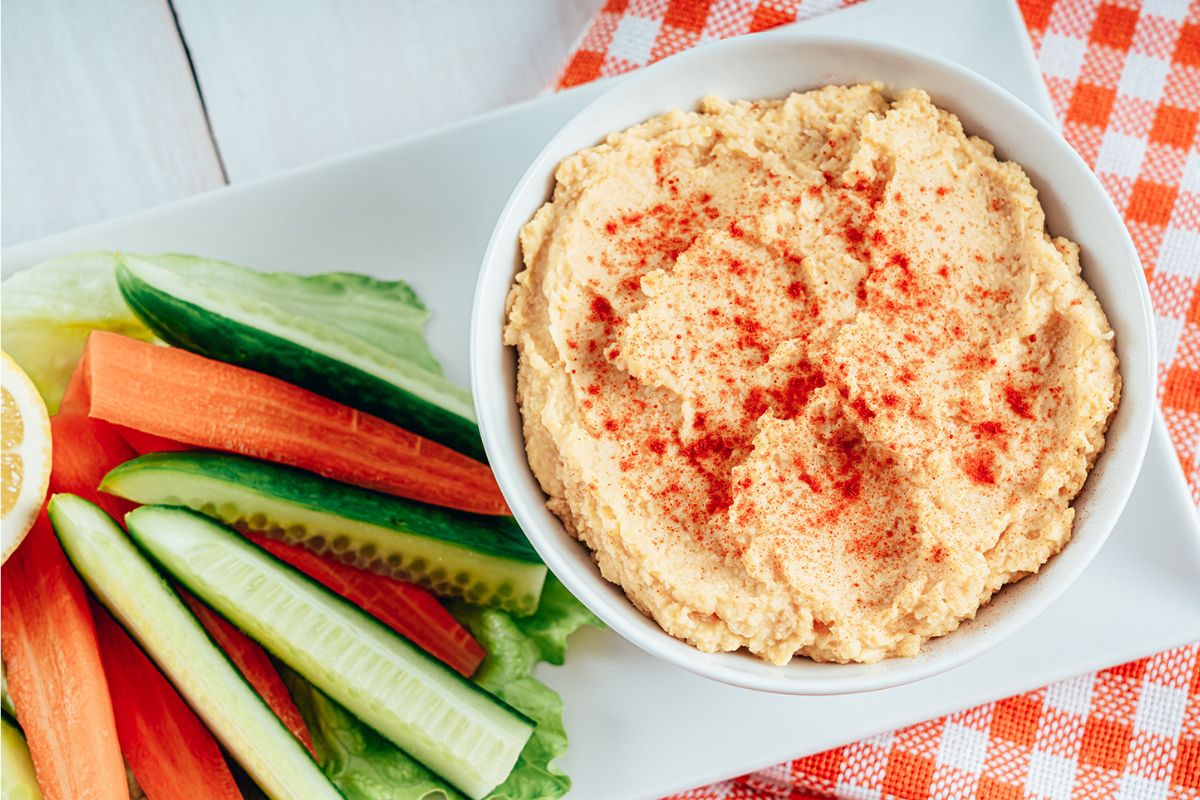
Red, White, Pinto, and Navy beans. Chickpeas, Lentils, Green Beans, Peanuts, Peas.

A number of Legumes, and especially beans, are indigestible and toxic to humans in a raw state (3). Cooked, most still compromise digestion, the gas produced by them being evidence of this.

Cooked legumes start to putrefy and ferment in the body. They should be avoided. Peas can be eaten raw when they are young and freshly picked. Peanuts are also ok raw, but are fatty, and fat should be kept at under 10 percent of calories.

List of vegetables of the tuber family:

Beet, Potato, Carrot, Sweet Potato, Taro, Yams, Jicama. Parsnips

Tubers are roots that grow underground. Without tools and the ability to cook, humans would be hard pressed to consume them. We certainly did not evolve eating them. With the exception of potatoes, most of these could be eaten safely in a raw state, but the task would not be a pleasant one.

The fact that an uncooked sweet potato does not present much temptation to a hungry human should be reason enough to warn you away from one. Beyond that, tubers are high in starch and cellulose, and so hard for the body to digest.

Potatoes contain toxic compounds called glycoalkaloids, of which the most common are solanine and chaconine (4). This poison, when not lessened through cooking and peeling, can cause headaches, diarrhea, and cramps.

Tubers should be completely avoided except for carrots, which should be eaten irregularly because they are high in hard to digest starch and cellulose.

List of vegetables that are squashes:

Yellow, Acorn, Butternut, and Spaghetti Squashes. Pumpkin, Zucchini.

Like tubers, squashes are high in cellulose and hard to digest. They are also bland if not cooked and seasoned. Eat them sparingly if at all.

List of vegetables that are leafy and green:

Loose Leaf, Romaine, Red Leaf, Green Leaf, Iceberg (Crisphead), Summer Crisp, Butterhead (Boston or Bibb), Cos, Imperial, Lollo Ross, and Round lettuce. Endive.

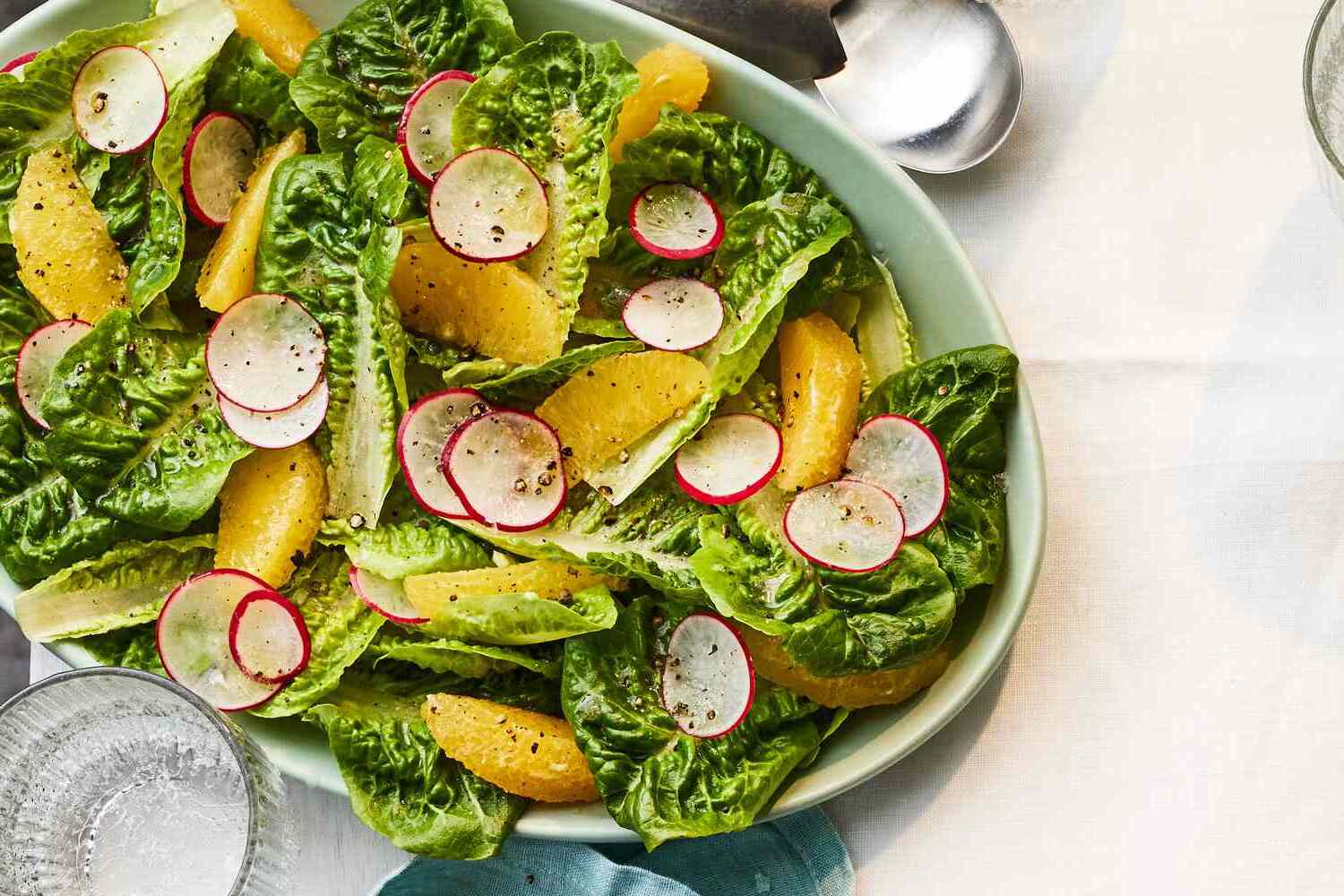
Leafy green vegetables are the most ideal vegetable that humans can consume. Digestively, we are well suited to eating leafy greens, and they do not cause the digestive problems brought on by the cellulose and starch in many other vegetables. They are low in calories and high in nutrients and minerals. They contain a small amount of fatty acids in a state suitable for use by the body (5).

At least a head of lettuce or other leafy greens should be eaten daily. This will only make up a small percentage of your calories (around 100 calories for a head), but a decent amount of your food mass, and provide you with numerous nutrients that your body cannot do without.

Raw diets that overemphasize these greens will likely fail because not enough calories will be taken in, and the diet would be unsustainable over time. Equally, a totally fruitarian diet with no greens will also likely fail without the important nutrients in greens.

Leafy greens combine well with all fruits and vegetables with the possible exception of melons for some people.

List of vegetables that are really non-sweet fruits:

Bell Peppers (Green, Red, Yellow, Orange, etc), Tomatoes, Cucumbers.

While these are technically fruit, they are considered vegetables for all intents and purposes. Without the high cellulose and starch content of many other vegetables, but with plenty of water and a great nutrient mix, they are ideal vegetables along with leafy greens.

They should be eaten regularly, and are excellent additions to salads. The only exception to this is green peppers. Green peppers are merely bell peppers which have not ripened yet (6), and so should be avoided like all other unripened fruit.

They mix well with all fruits and vegetables with the possible exception of melons for some people.

Celery:

Celery is an excellent food that digests well with almost anything else. It contains the necessary mineral sodium, which is present in a ratio that can be easily accessed by the body. Sodium is critical, along with the mineral potassium, in managing the body's electrolyte balance.

Electrolytes create electric osmotic pressure which helps the body to move fluids through the cell's membranes. It can be eaten with any other fruit or vegetable.

SOURCES:

(1) David G. Barkalow, Roy L. Whistler, "Cellulose", in AccessScience@McGraw-Hill, DOI 10.1036/1097-8542.118200. Retrieved 15 March 2008.
(2) http://growingtaste.com/oxalicacid.shtml
(3) http://www.echotech.org/mambo/index.php?option=com_content&task=view&id=20&Itemid=140
(4) http://en.wikipedia.org /wiki/Potato#Toxic_compounds_in_potatoes
(5) "The 80/10/10 Diet," Dr. Douglas Graham, pg 26-27
(6) http://en.wikipedia.org/wiki/Bell_pepper#Varieties

Find out how this list of vegetables fits into a raw food diet

Receive the free Raw Food Health Journal
Keep up to date with new articles from this site.
Enter your E-mail Address
Enter your First Name (optional)
Then

Don't worry -- your e-mail address is totally secure.
I promise to use it only to send you The Raw Food Health Journal.

footer for List of vegetables page